
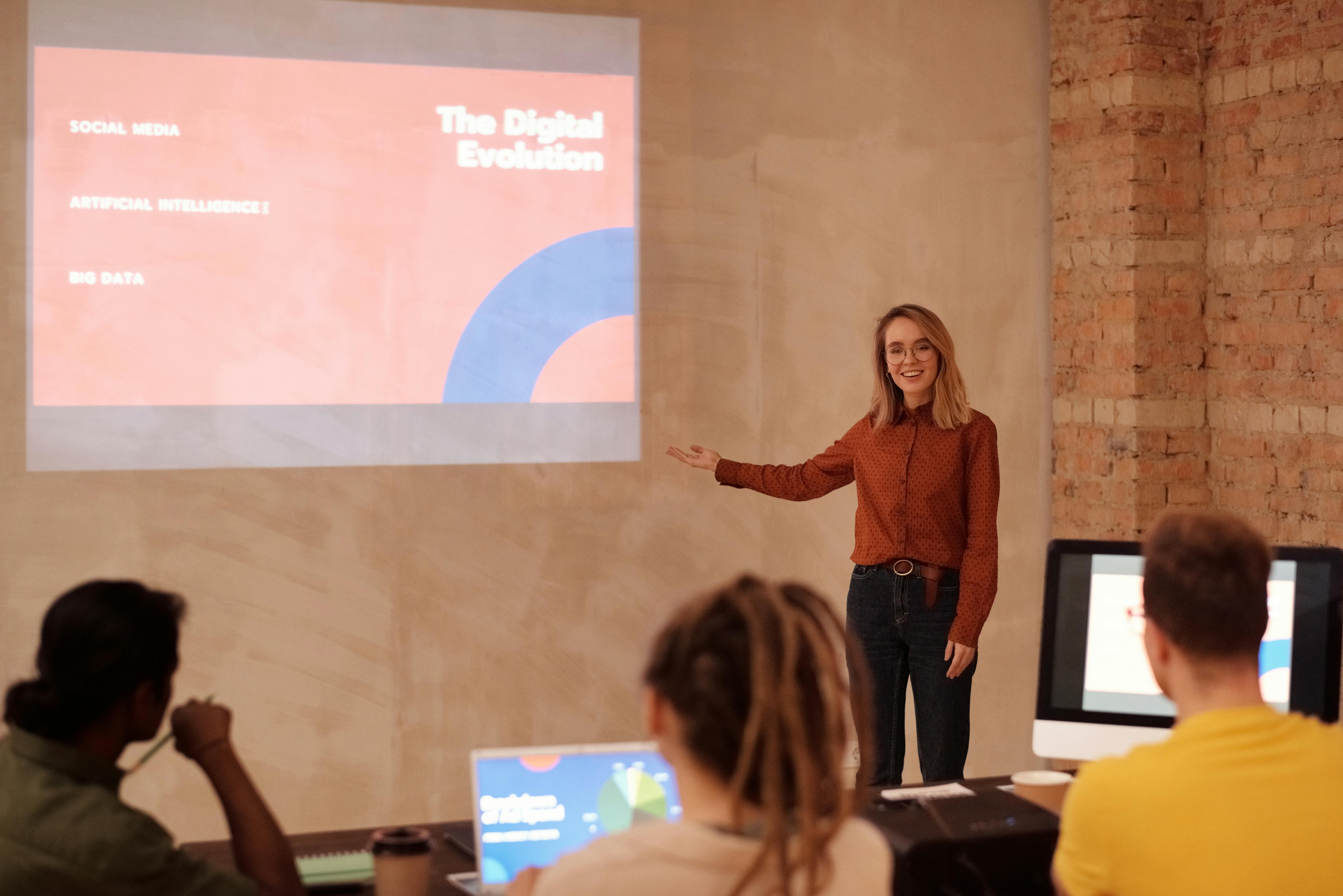
AI has gone from a buzzword to a boardroom topic. Yet for many business owners, it still triggers unease. They worry it will replace jobs, create impersonal experiences, or make them feel left behind. This mix of curiosity and fear is what experts call automation anxiety, a natural reaction to change that’s as old as technology itself.
According to a recent Pew Research Center study, most people believe AI will have a major impact on society, but only a small share feel confident it will improve their own jobs. That disconnect fuels uncertainty more than the technology itself.
Why people fear AI
Job security worries
People fear automation because it challenges what they know. Nearly half of workers expect AI to eliminate roles, even though few have seen direct evidence of it. In many cases, AI removes repetitive tasks, not people.
Loss of control
When tools make decisions automatically, business owners can feel disconnected from their own processes. That sense of “black-box” decision-making often comes from not knowing how the technology works, not from the technology itself.
Trust and transparency gaps
The Edelman Trust Barometer 2025 shows that while global trust in technology remains high, trust in AI specifically lags behind. People trust their employers more than tech companies, meaning that when businesses adopt AI, they have a chance to lead with clarity and reassurance.
What’s really happening
Fear of AI often masks a deeper truth: people don’t fear machines - they fear misuse and misunderstanding. Canadian organizations adopting AI responsibly see higher employee confidence and better customer outcomes. Transparency, training, and clear communication consistently reduce resistance.
At Ask Benny, we’ve seen that first-hand. Businesses that start with curiosity rather than fear often discover that AI doesn’t replace people - it frees them. When repetitive calls or scheduling tasks are handled automatically, teams have more time for customers, creativity, and strategy.
You can explore how that works in practice in our case studies.
The mindset shift: from replacement to partnership
AI should be viewed as a partner, not a threat. When used well, it enhances human work instead of erasing it. The most successful companies are those that blend automation with empathy: using technology to speed up response times while keeping human connection front and centre.
Across industries, small businesses adopting AI are finding it doesn’t remove people from the process - it removes the pressure. By offloading repetitive work, teams gain time for higher-value tasks like building relationships and delivering better service.
Moving from fear to confidence
If automation anxiety is holding your business back, start small. Try AI tools for a single workflow, track the results, and build trust from experience. Transparency, education, and open dialogue with your team help turn fear into familiarity.
The goal isn’t to hand off control, it’s to regain time and focus. With the right approach, automation becomes the most human decision you can make for your business.

About Benjamin Beaverton
Benjamin Beaverton is Ask Benny’s resident expert in all things AI, call handling, and small business success. A proudly Canadian beaver with a knack for staying busy, Benjamin shares insights from the virtual front desk - where no call goes unanswered and no customer is left waiting. When he’s not helping businesses boost their customer service, you’ll find him fine-tuning Benny’s scripts, building better workflows, and occasionally gnawing on tech trends.
Follow Benjamin for smart tips, fresh updates, and a peek behind the bark at Ask Benny HQ.